How Construction Firms Can Manage Fleet Safety and Security Risks
One Minute Takeaway
Construction vehicles and large equipment often represent an organization’s largest risk management expense. Emphasizing safety and security can help construction firms reduce the risk of theft and accidents. Here’s how.
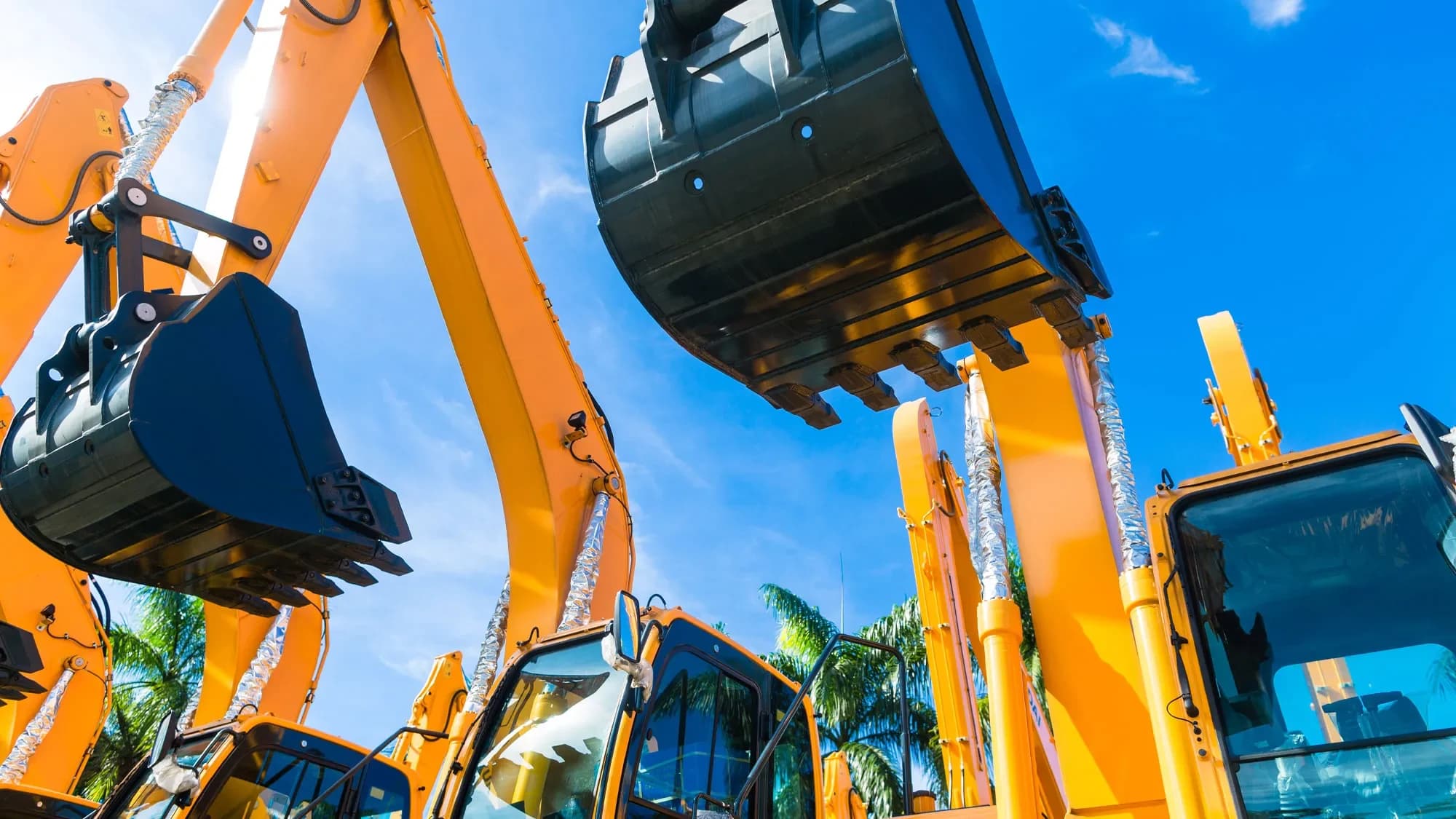
Construction leads all other industries in the U.S. in both the number of worker injuries and deaths and equipment theft. A surge in jobsite thefts of equipment and tools in the past two years has cost the industry between $400 and $1 billion in losses.1 Construction also accounts for more fatalities than any other private industry, with about one in five deaths each year attributed to the construction industry.2
A record of losses, both on the property side and via workers compensation, can negatively impact a construction firm’s insurance premiums. Adopting a layered approach to protecting assets and promoting safety can reduce the likelihood of claims and prove to underwriters that the organization is a good risk.
Create a plan to protect equipment and employees
Construction fleet management risks abound for each project. Equipment must be properly secured, safely transported to and unloaded at worksites. Workers must be trained on procedures and how to safely operate vehicles. Supervisors must manage equipment keys and secure vehicles on site each night. And everything must be re-loaded and tied down at the completion of a project while complying with U.S. Department of Transportation (DOT) load securement regulations.
Construction companies can mitigate these risks through a comprehensive fleet risk management plan. Plans should include:
Jobsite safeguards. Research construction site locations and their crime statistics before a project begins to create a security plan. For example, if the area surrounding the site has high rates of theft, ensure smaller equipment is locked in a shipping container each night and park remaining equipment in front of the doors, beginning with the lightest and smallest and ending with the heaviest and hardest to move.
Specific security policies. Maintain strict processes and procedures for securing vehicles and accounting for equipment keys. Whether it’s requiring each operator to return keys to a main office after shifts or holding the foreman responsible for collecting keys and locking equipment, an established system can mitigate the risk of theft and hold workers accountable. Remind workers to consider the security of their personal belongings as well by locking vehicles and stowing away wallets and cell phones.
Employee training. No education requirements exist for operating most construction equipment, including bulldozers, front end loaders, excavators and backhoes. Implementing a formal training process — such as one based on the federally mandated forklift operator certification program — will reduce worksite accidents and injuries.
In addition to safe operating practices, training should address how to conduct a pre-trip inspection. Require operators to record pre-trip inspections at the beginning of each shift, which will not only help the fleet operate more safely but demonstrates the company’s commitment to safety and accident prevention if an incident occurs.
Use of technology. GPS systems, geofencing, motion detectors and tracking systems can ward off theft and aid in recovery if equipment goes missing. Backup alarms, improper grade alerts, cameras and presence-sensing light indicators can reduce equipment damage and worker injuries. Analyze the organization’s historical losses from equipment damage and employee injuries and identify and install technologies that will provide a return on investment. The expenditure may also make the construction company more attractive to underwriters.
A transportation plan. About 90% of construction equipment is transported to job sites on trailers, and equipment damage and worker accidents frequently occur during transport and the loading and unloading process. Along with complying with DOT hauling regulations, construction firms should craft specific loading and unloading procedures, such as requiring two-person teams to prevent vehicles from falling off track, forbidding delivery drivers from moving machinery and maintaining a loading/unloading checklist that includes such safety procedures as locking roll bars and buckets in the proper position before moving equipment up or down a ramp.
Contact HUB International’s construction insurance experts to learn more about protecting fleets and equipment.
1 Trackunit, “Preventing Construction Equipment Theft,” June 30, 2021.
2 The Occupational Safety and Health Administration, Commonly Used Statistics, accessed July 25, 2022.