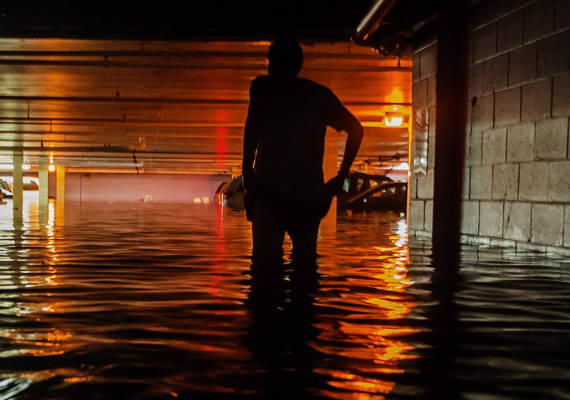
Floods have the potential to destroy property, take lives and damage businesses.
Floods are among the most destructive natural disasters, capable of devastating businesses, homes, infrastructure, and entire communities within hours. Rising water levels, intense storms, and overwhelmed drainage systems are increasing the frequency and severity in North America. Understanding the risks and dangers is the first step in staying safe and prepared.
To make sure you are prepared and protect what matters most, we’ve developed and gathered tips, guides, checklists and other resources to help you before, during and after a flood.
Please contact HUB’s Disaster Recovery Services division to help your organization successfully navigate each phase of the physical and financial recovery process.
Flood Preparation Checklist for Homeowners: Being prepared and knowing how to respond to a flood can help minimize damage and maximize protection for you, your family and property. Learn the steps that you as a homeowner should take when preparing for a flood.
Flood Emergency Response Planning for Your Business: Learn what you need to do to develop a Flood Emergency Response Plan (FERP) to protect your employees and property. Access tips on what pre-flood precautions to take, and what to do during and after a flood event.
When Mother Nature Says Your Business Owner's Policy Isn't Enough: Do you have the right coverages to recover and rebuild your business if a catastrophic event occurs? Learn what you need to cover your lost income and related expenses, as well as additional tips.
Canadian Government: Get Prepared For Floods
Flood Evacuation Checklist for Homeowners: Flooding is the most common natural disaster in Canada, and the severity of floods is increasing. Learn the steps that you as a homeowner should take when evacuating a flood
Recovery Considerations for Your Business: Consider how to resume operations, clean up and salvage and support employees.
Minimizing Business Interruption: Minimize business interruptions and resume normal operations in a timely manner post-disaster with these tips.
Commercial Damage Assessment: Assess on-site damage to set the tone for the response operation and drive the recovery process, detailing the extent and location of damages. Proper documentation can speed up the claims process.
Establishing Business Security After a Disaster: Coordinate security on-site, post-disaster to maintain privacy, secure data and avoid scams during recovery.
Best Practices for Navigating the Claims Process: Understand the parties involved, and learn how to expertly navigate claims before, during and after a loss.
Avoid Becoming the Victim of Post-Disaster Fraud: Crimes and scams that prey on victims in the wake of a disaster are on the rise. Perpetrators pull on the heartstrings of outsiders anxious to help, and the heightened emotional state of victims in distress.
Red Cross: Flood Recovery Guide
Public Safety Canada: Recovering From Disasters
National Collaborating Centre for Health: Community Level Response & Mental Health
No matter the crisis, we are here for you.
View our resources for tornado, earthquake, wildfire and other crisis events.
Protect what matters most.
Let us help you be ready for the unexpected, with tailored insurance solutions, planning and advice.