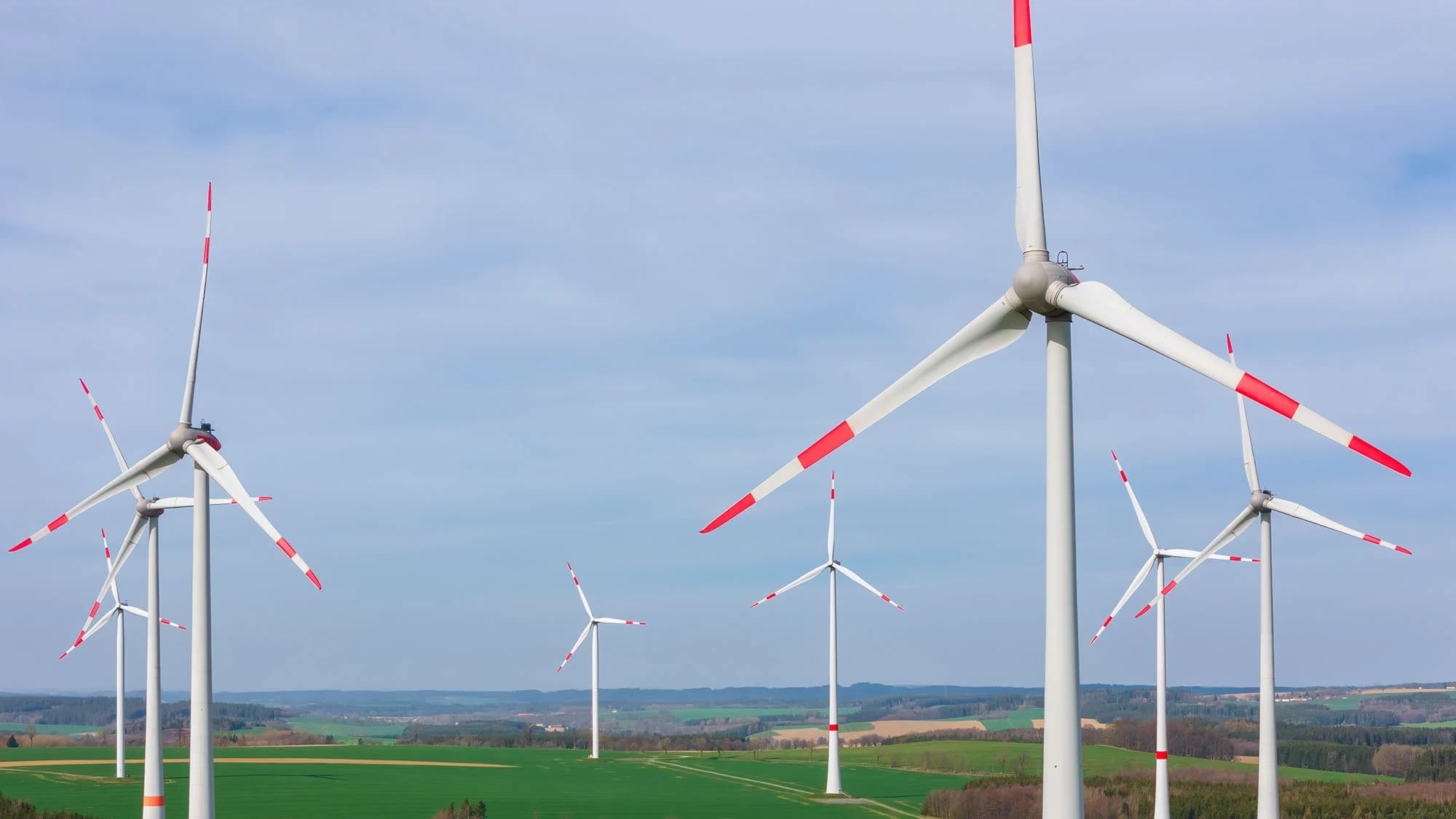
Home (Residential Solar & Storage)
Protect the systems, installations and obligations behind residential clean energy
Residential solar and storage businesses manage risk across individual properties, contractors, equipment and long-term service commitments. Requirements and operating conditions can also change by province, municipality, utility and project.
HUB helps organizations align risk strategy, contractual risk transfer and insurance placement with how systems are installed, supported and maintained across a distributed Canadian footprint.
Stay Ahead of Industry Challenges
Manage risk consistently across every contract, property, contractor and system
Residential installations may be individually small, but repeated contractor, equipment or warranty issues can create significant accumulated exposure across a growing portfolio.
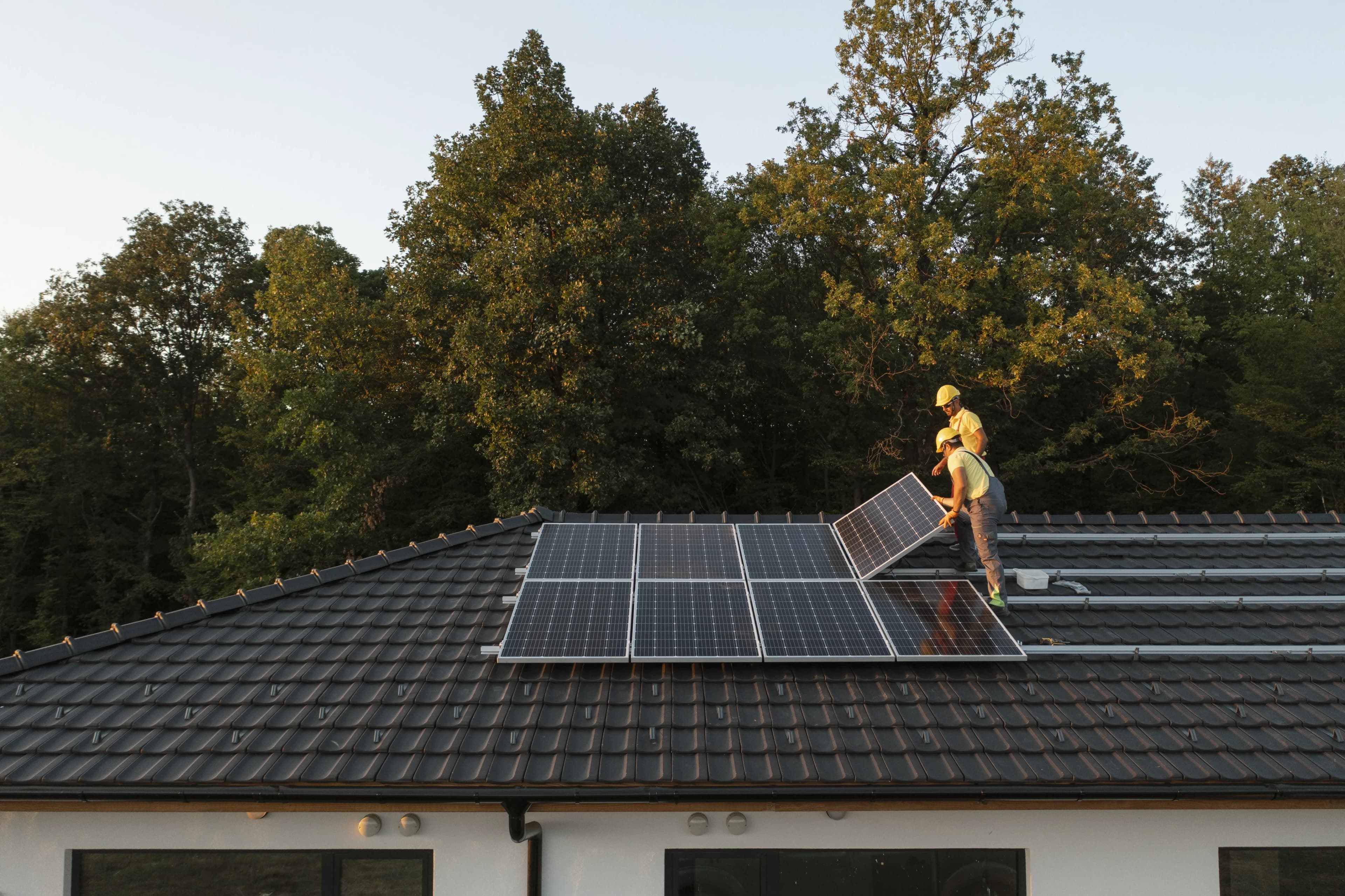
Residential solar projects involve work on existing buildings, electrical systems and roofs. Installation practices, contractor experience and site conditions can vary from property to property.
HUB considers contractor qualification, contractual risk transfer, general liability, professional exposure and installation controls together when evaluating the program.
Growth across more installations and regions increases the importance of consistent contractor and quality controls.
Greater consistency in how installation and contractor risk is managed across the portfolio.
Rooftop solar and storage add equipment, electrical systems and new operational dependencies to an existing property. Roof condition, structural capacity, equipment layout and replacement availability can all affect the consequences of a loss.
HUB considers installation, equipment, property and liability exposures together rather than treating the renewable system as separate from the property it is attached to.
The building and the energy system need to be considered as one risk environment, even in separate ownership scenarios.
Insurance considerations aligned with both the installation and the property supporting it.
Battery storage introduces considerations around chemistry, housing, cooling, gas detection, fire protection, monitoring and access for emergency responders. Residential energy systems can also include EV charging and, increasingly, bidirectional charging that allows an EV to interact with the home’s electrical system. These technologies may be installed independently or alongside solar and storage.
HUB evaluates equipment location, installation quality, monitoring, maintenance, emergency response and how individual technologies interact with the home when helping organizations assess these exposures.
A battery is not simply another piece of solar equipment. It changes the loss scenarios that need to be considered.
Solar and storage exposures addressed as one connected home-energy risk.
Tailored Risk Solutions for Your Industry
Connect the property, installation and equipment in one risk strategy
HUB considers the system in the context of the property it serves, the contractors installing it and the obligations that continue after installation.
Contractor responsibilities, liability, professional exposure and contractual risk transfer can be evaluated against how installations are delivered across the organization’s footprint.
Solar modules, inverters and other equipment are assessed alongside property exposure, technology change and warranty responsibilities, including the potential for original components to become difficult to replace.
Where storage or EV charging is installed, equipment selection, location, monitoring, fire protection, maintenance and emergency response can be incorporated into the broader risk assessment. Bidirectional charging can add another consideration where the vehicle and home energy system interact.
Industry Insights
Insights for residential solar and storage risk in Canada