Battery Energy Storage Systems
BESS insurance built around how the system is designed, used and protected
Battery energy storage systems bring together high-value equipment, evolving technology, fire and electrical risk, complex operating profiles and significant business interruption exposure.
HUB’s Renewable Energy specialists help developers, owners and operators align insurance and risk management with site selection, battery technology, system design, contractors, operating use and emergency response. These are the same areas insurers increasingly evaluate when assessing a BESS project.
Stay Ahead of Industry Challenges
Build the risk strategy around what insurers evaluate
As BESS technology and safety standards mature, insurers are looking more closely at the quality of the site, equipment, contractors, monitoring and operating practices behind each project.
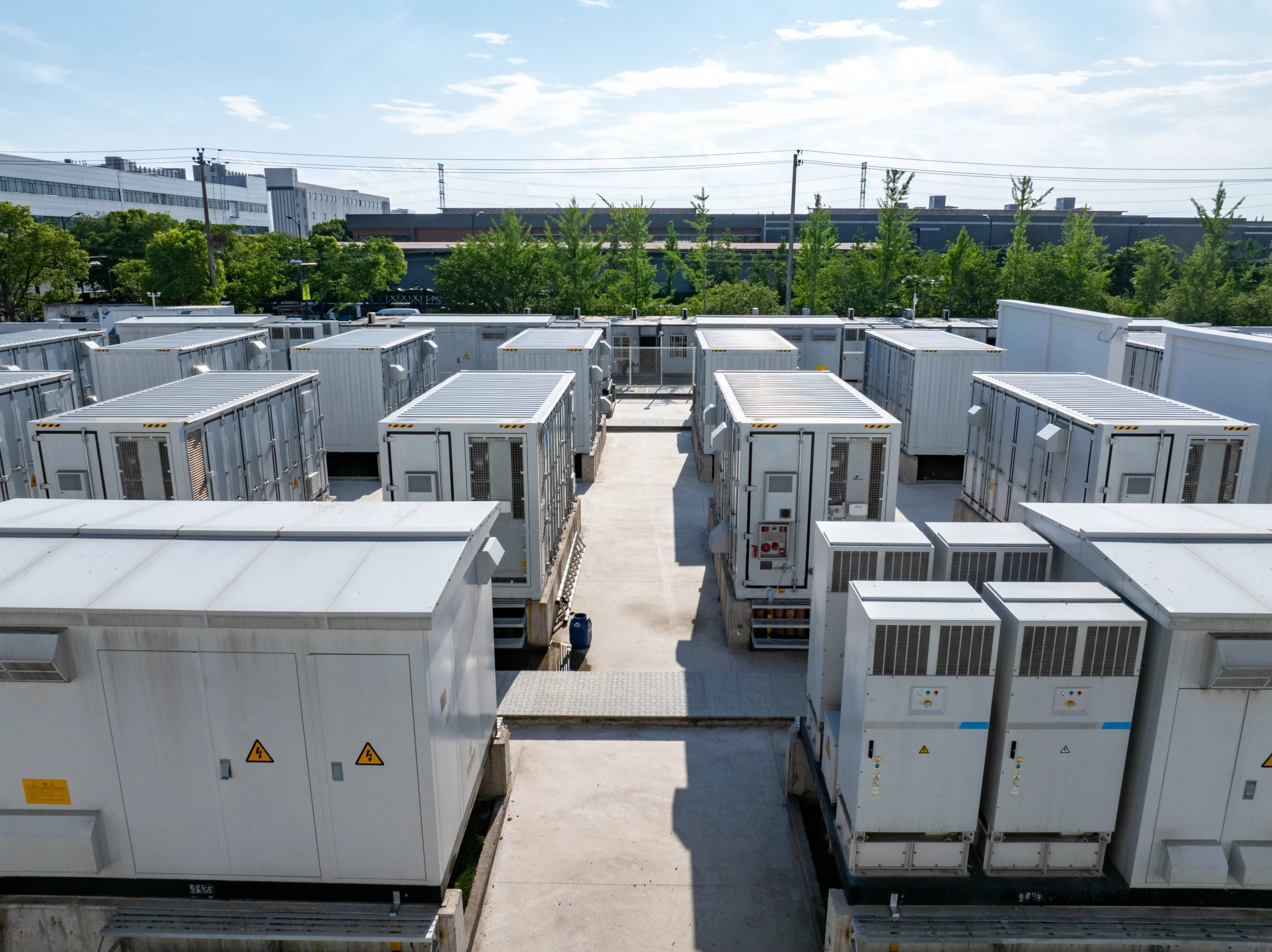
BESS underwriting can consider site separation, nearby values, chemistry, housing, cooling, ventilation, gas detection, fire suppression, UL testing, OEM quality, contractor experience and first-responder access.
HUB helps clients organize technical information, engineering controls and project documentation around the factors insurers evaluate while aligning coverage with risk profiles, contractual obligations and risk tolerance thresholds.
Two systems using similar batteries can still present very different risks and premium outcomes depending on system design, use case and location.
A stronger connection between project engineering and the insurance submission.
A battery incident can require management of stranded energy, reignition potential, off-gassing, hazardous conditions, site access, investigation and eventual removal or decommissioning.
HUB considers emergency response, business continuity and claims preparation alongside the insurance program so clients can plan for both the event and the recovery that follows.
The strongest response plans address the full incident lifecycle, not just initial failure response.
A more coordinated path from emergency response through claims and recovery.
Demand response, arbitrage, backup power and other use cases can affect warranty compliance, equipment operation and business interruption valuation. Canadian projects can also carry utility, contractual and eventual decommissioning or financial assurance requirements.
HUB brings insurance, contract and surety expertise together to help clients evaluate operating responsibilities, warranty terms, business interruption exposure and project-specific financial assurance needs.
The battery, the revenue model and the project obligations should be considered as one risk structure.
Insurance and financial assurance aligned with how the project operates and what it is required to deliver.
Tailored Risk Solutions for Your Industry
Connect system design, operations and financial assurance
HUB considers the technical asset, the operating model and the project structure together to help Canadian BESS clients understand what can be transferred through insurance and what needs to be managed through engineering, contracts and financial assurance.
Property and equipment breakdown are evaluated against large scale fire testing parameters and outcomes, spacing, site conditions, chemistry, equipment housing, cooling, detection, suppression, monitoring and other technical characteristics.
EPC and O&M experience, OEM support, warranty terms, monitoring responsibilities and actual use case are considered together to help clarify operational and contractual risk.
Emergency planning and claims preparation are connected with business interruption and recovery assumptions. Where a project carries performance, interconnection or decommissioning security requirements, HUB’s surety specialists can assess those obligations separately from insurance while keeping them within the overall project strategy.
Hub’s Impact
Bring technical risk and project obligations into the same conversation
BESS projects are shaped by engineering, contracts, operations and financial obligations. HUB helps Canadian clients connect those elements before placement and stay aligned as the system, operating model and project requirements evolve.
Industry Insights
Insights for managing battery energy storage risk across Canada