Food & Beverage Insurance, Benefits & Risk Advisory
Food and beverage insurance for every step, from raw ingredient to retail shelf
Food and beverage manufacturers, processors, co-manufacturers and packagers operate at the intersection of consumer product regulation, food safety compliance and retail supply chain expectations. This coverage requires specialist program design that HUB’s food and beverage advisors are built for.
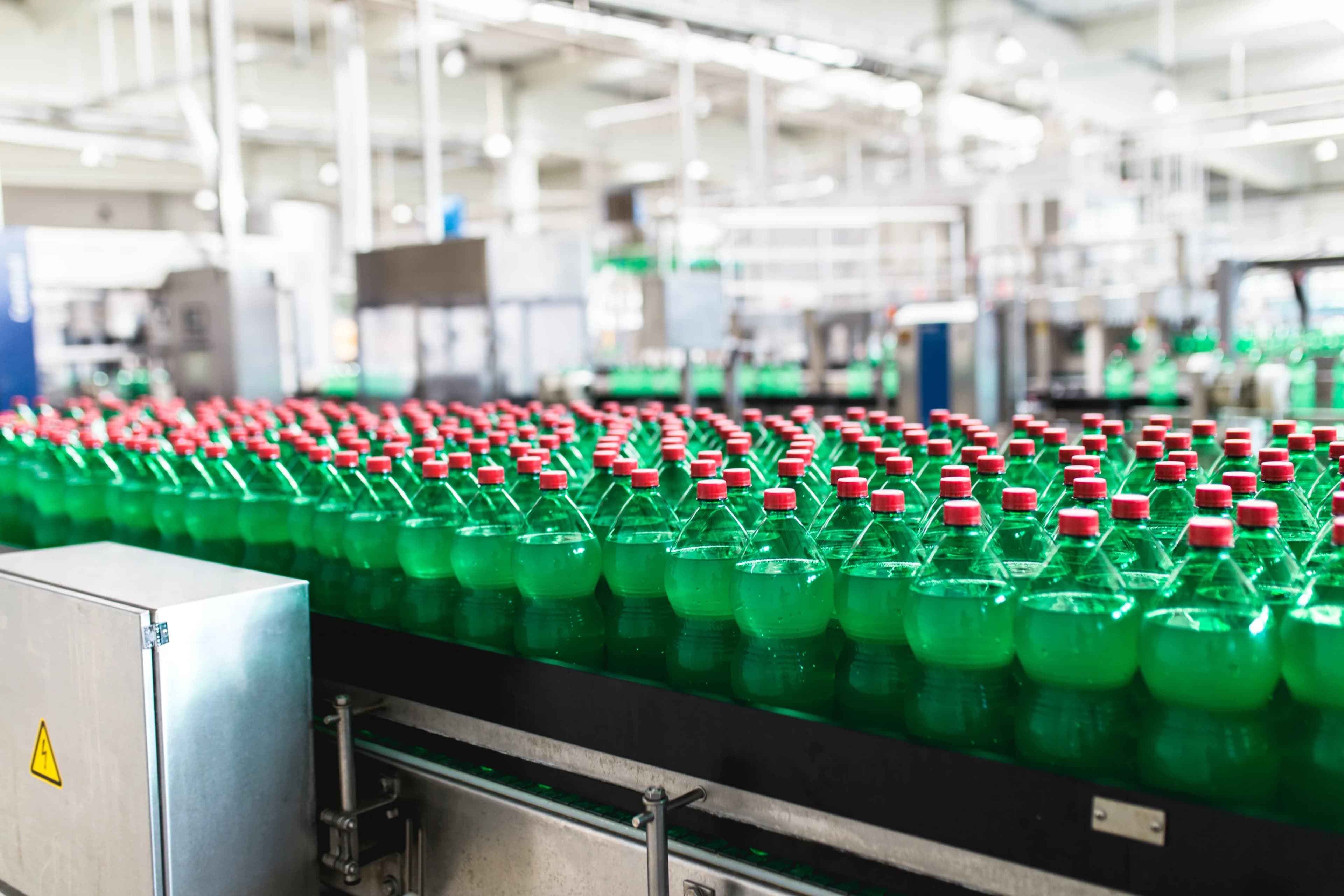
Stay Ahead of Industry Challenges
Where recall exposure, production shutdown costs and processing line injuries converge
The transformation step of turning raw ingredients into consumer-ready products creates a contamination-recall-product liability triad that is unique to food and beverage manufacturing. Food and beverage insurance programs must reflect that reality. HUB’s food manufacturing advisors have worked directly with processors, co-manufacturers and packagers to understand where programs fail and where gaps surface at claim time.
Food manufacturers face a product safety risk environment where a single contamination event — allergen failure, pathogen detection, foreign material — simultaneously triggers recall obligations, product liability exposure, regulatory notification requirements and business interruption losses, while the insurance programs most organizations carry are structured in ways that leave material shortfalls between those responses.
HUB provides integrated food recall insurance and contamination programs designed to respond to the same incident without coverage gaps. Combined with Safe Food for Canadians Regulations (SFCR) compliance advisory services and crisis response pre-planning, HUB gives food manufacturers a coordinated response capability built to match the speed and complexity of a real contamination event.
Most food manufacturers who go through a recall find that their contamination and recall policies don't coordinate as well as they assumed. That discovery is substantially more expensive at claim time than during a program review.
Food manufacturers with integrated contamination and recall programs, SFCR compliance structures and pre-planned crisis response are positioned to contain the financial and reputational impact of a product safety event and return to production faster.
Tailored Risk Solutions for Your Industry
Programs structured around the full risk architecture of food manufacturing — from contamination response to production continuity
HUB coordinates contamination and recall coverage, production continuity, workforce safety and cyber expertise around the specific operating conditions of food and beverage manufacturers, addressing a risk architecture that requires specialist program design.
Product contamination insurance and food recall insurance address different parts of the same incident and most food manufacturers carry them through separate placements that were not specifically structured to respond to the same event as a coordinated unit. Contamination coverage addresses identifying, testing and destroying contaminated product; recall coverage addresses the financial consequences of the market withdrawal — retrieval, replacement, business interruption losses and third-party customer claims. HUB’s contamination and recall advisory structures both policies to respond to the same triggering event by incorporating allergen liability endorsements for manufacturers producing products with regulated allergen profiles and import/export food safety liability for manufacturers sourcing ingredients internationally. SFCR compliance advisory supports the mandatory recall authority and Preventive Control Plan (PCP) obligations that make contamination events both insurance claims and regulatory actions.
Business interruption in a food manufacturing facility is not simply a property restoration timeline; it includes equipment procurement lead times for custom-engineered processing lines, deep cleaning and validation requirements, Canadian Food Inspection Agency (CFIA) re-inspection rights under SFCR and retailer requalification before shipments can resume. Standard BI indemnity periods of 30 or 60 days routinely fall short of actual facility restoration timelines for food manufacturers subject to these requirements. HUB's production continuity advisory incorporates extended indemnity period design, contingent business interruption (CBI) coverage for ingredient supplier disruptions and equipment breakdown coverage for the processing lines, refrigeration systems and boilers whose failure creates both property and food safety risk. Equipment valuation reviews address the insurance-to-value gap that has developed as custom processing equipment replacement costs have escalated faster than prior insurance schedule values.
Food manufacturers that have integrated enterprise resource planning (ERP) systems with production control systems — Supervisory Control and Data Acquisition (SCADA), programmable logic controllers (PLCs) and production historians — have created attack pathways from the information technology (IT) network into the operational technology (OT) environment that standard commercial cyber policies were not designed to cover. This threat is escalating quickly, with cyberattacks increasing and the cost of data breaches continuing to rise significantly. A ransomware event that locks an ERP system can halt production; an OT-specific attack can corrupt batch records or falsify food safety monitoring data, creating simultaneous cyber and food safety regulatory events. HUB’s food manufacturing cyber advisors address both the IT exposure from standard commercial systems and the OT exposure from production control systems, including the food safety regulatory response costs that an OT incident can trigger. Coverage terms are reviewed specifically for OT environment applicability, as standard cyber policies may exclude industrial control systems or limit food safety regulatory event costs in ways that create gap exposure for food manufacturers.
Co-manufacturers and private label producers carry product liability for the finished product under the brand owner's or retailer's label, alongside contractual indemnity obligations that brand owners and major retailers routinely require as conditions of the co-manufacturing agreement. A contamination event in a co-manufacturing facility creates simultaneous product liability exposure to the brand owner, the retailer and potentially consumers, while the co-manufacturer's insurance requirements may be specified in the contract at levels that do not match the actual coverage program in place. HUB's co-manufacturing liability advisors reviews contractual indemnity requirements against current program structures, identify coverage gaps between what the contract requires and what the policy provides and coordinate product liability and umbrella program design with the Casualty practice for co-manufacturers with significant retail distribution exposure.
HUB's Impact
Food manufacturing programs that can handle a contamination event, a regulatory action or a production shutdown
Food and beverage manufacturers whose contamination and recall programs were designed before an event, and not assembled after one, consistently recover faster and with fewer coverage disputes. HUB’s track record in food manufacturing is built on program design that holds up under the specific challenges of this industry.
Case Studies
Claims Outcomes Improved
Butch Devlin, COO, ABC Fine Wine & Spirits
Industry Insights
Food manufacturing insurance insights and research