Catastrophe Modeling
Catastrophe modeling that keeps coverage limits current
Catastrophe modeling quantifies the financial impact of extreme events like hurricanes, earthquakes and wildfires to inform coverage limits and program structure. This program is built for organizations whose catastrophe exposure has changed since coverage limits were last set.
Why It Matters
Extreme-event exposure doesn't wait for the next renewal
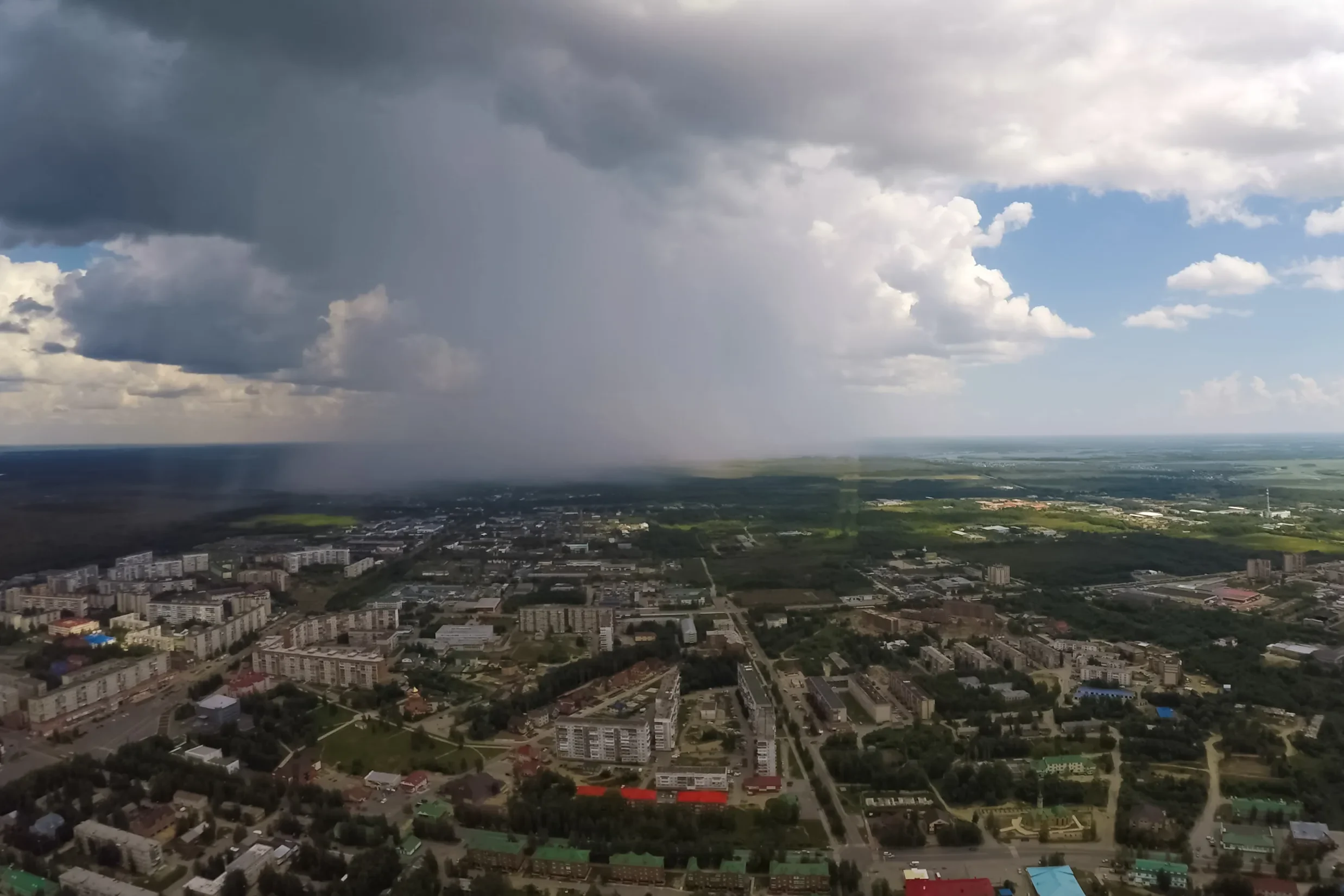
Catastrophe (CAT) modeling is typically produced once, at renewal, rather than maintained as an ongoing capability, so when an organization's exposure to hurricanes, earthquakes or wildfires changes, coverage limits can remain based on a stale risk profile. A stale catastrophe model doesn't just misstate risk; it can leave limits mismatched to the actual financial impact a real event would cause.
HUB's Approach
Coverage limits sized to actual, organization-specific exposure
HUB's catastrophe modeling quantifies the financial impact of extreme events specific to an organization's actual locations and exposures, informing coverage limits and program structure rather than relying on generic regional risk assumptions. This modeling is maintained as an ongoing capability, not a one-time exercise performed only when a program is first placed.
Because an organization's property portfolio, business operations and geographic footprint change over time, HUB updates catastrophe modeling as those factors shift, rather than treating the original model as a permanent reference point. This feeds directly into HUB's broader total cost of risk modeling and program design work, so catastrophe exposure is addressed as part of one coordinated risk picture rather than a standalone report.
Insights for Your Business
Catastrophe modeling insight and research