Residential Solar & Storage
Protect the installation, equipment and long-term commitments behind every home energy system
Residential solar and storage businesses manage risk across installation work, equipment, subcontractors, warranties and thousands of individual properties. Adding battery storage introduces another layer of electrical, fire and equipment exposure.
HUB helps residential solar and storage organizations align risk strategies, contractual risk transfer and insurance placements with how systems are installed, serviced and supported over time.
Stay Ahead of Industry Challenges
Every installation is small. The accumulated exposure is not.
A distributed portfolio can turn installation quality, contractor oversight, warranty commitments and equipment issues into program-wide concerns. Consistency and oversight become more important as the footprint grows.
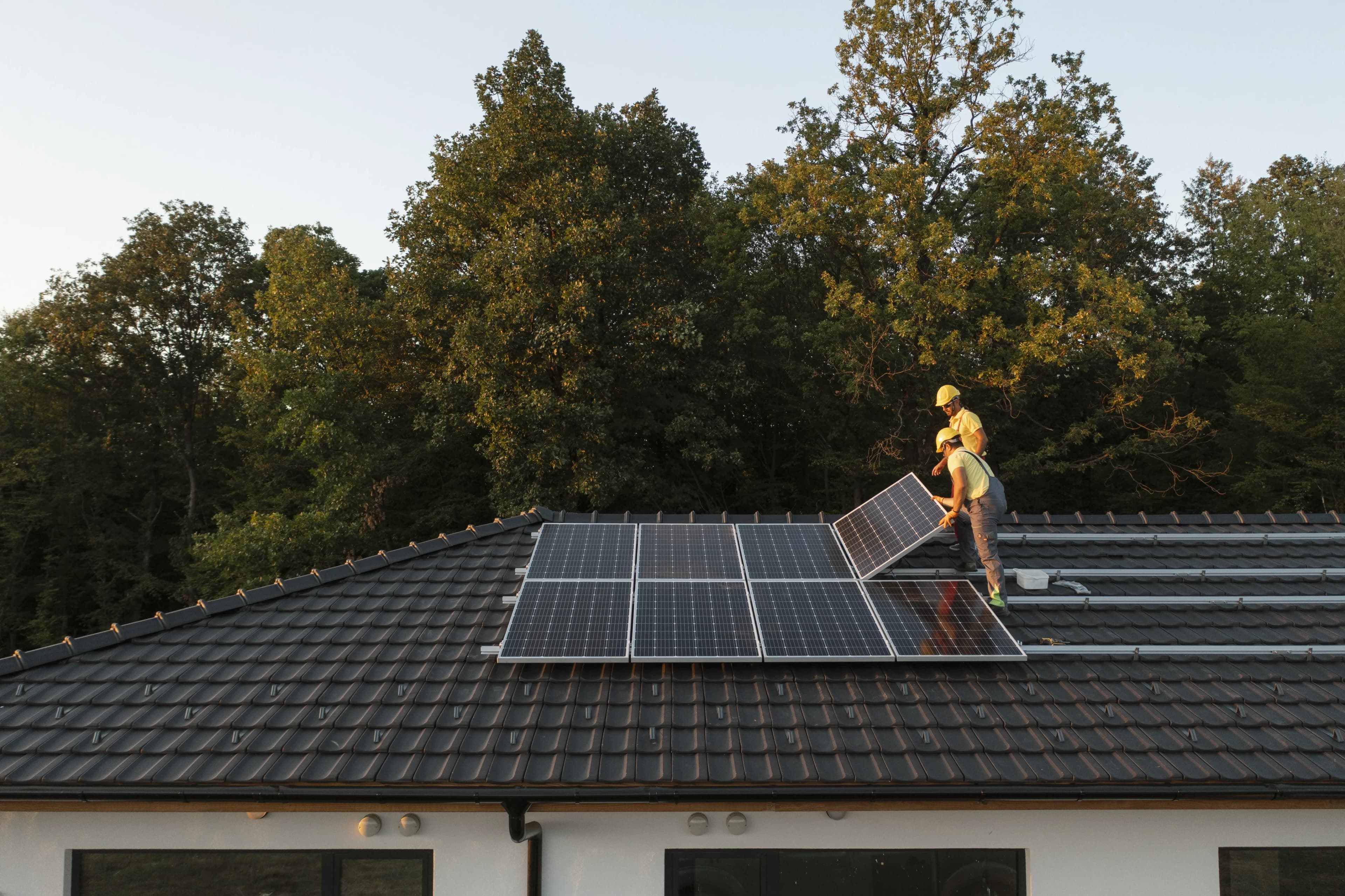
Residential solar businesses may complete work across many individual properties using different crews, subcontractors and equipment. Installation errors, roof damage, electrical issues or inadequate contractor controls can create recurring liability and workmanship exposure.
HUB considers contractor qualification, contractual risk transfer, general liability, property and professional exposures together to help organizations understand how installation risk is managed across the portfolio.
A distributed footprint makes consistent contractor and installation controls more important, not less.
A clearer risk framework across individual installations and contractor relationships.
Modules, inverters and other components can become obsolete during the life of the installation. Warranty obligations and customer commitments can continue even when the original equipment is no longer available. Technology obsolescence is a recurring issue across renewable energy systems.
HUB considers equipment availability, warranty responsibilities, product and professional liability and contractual obligations as part of the broader program.
Long-term commitments should be considered against how quickly the underlying technology can change and the bankability of equipment suppliers.
Greater clarity around equipment, warranty and retained liability exposure.
Battery storage introduces considerations around chemistry, housing, cooling, gas detection, fire protection, monitoring and access for emergency responders. Residential energy systems can also include EV charging and, increasingly, bidirectional charging that allows an EV to interact with the home’s electrical system. These technologies may be installed independently or alongside solar and storage.
HUB evaluates equipment location, installation quality, monitoring, maintenance, emergency response and how individual technologies interact with the home when helping organizations assess these exposures.
A battery is not simply another piece of solar equipment. It changes the loss scenarios that need to be considered.
Solar and storage exposures addressed as one connected home-energy risk.
Tailored Risk Solutions for Your Industry
Build protection around a distributed installation portfolio
HUB considers how systems are installed, what equipment is used, who is responsible for the work and what obligations continue after the installation is complete.
General liability, contractual risk transfer and other relevant commercial coverage can be assessed against installation practices, subcontractor relationships and the organization’s operating footprint.
Product and professional exposures can be considered alongside equipment selection, warranty commitments and the consequences of an alleged installation or design error.
Where storage or EV charging is installed, equipment selection, location, monitoring, fire protection, maintenance and emergency response can be incorporated into the broader risk assessment. Bidirectional charging can add another consideration where the vehicle and home energy system interact.
Industry Insights
Insights for residential solar and storage businesses