Battery Energy Storage Systems (BESS)
BESS insurance built around how the system is designed, used and protected
Battery energy storage systems bring together high-value equipment, evolving technology, fire and electrical risk, complex operating profiles and significant business interruption exposure.
HUB’s Renewable Energy specialists help developers, owners and operators align insurance and risk management with site selection, battery technology, system design, contractors, operating use and emergency response. These are the same areas insurers increasingly evaluate when assessing a BESS project.
Stay Ahead of Industry Challenges
Underwriters look beyond the battery to the system around it
BESS underwriting is becoming more detailed as standards, operating experience and technology mature. Battery Chemistry, site selection, ancillary equipment, contractors, monitoring and actual use case all influence the risk profile.
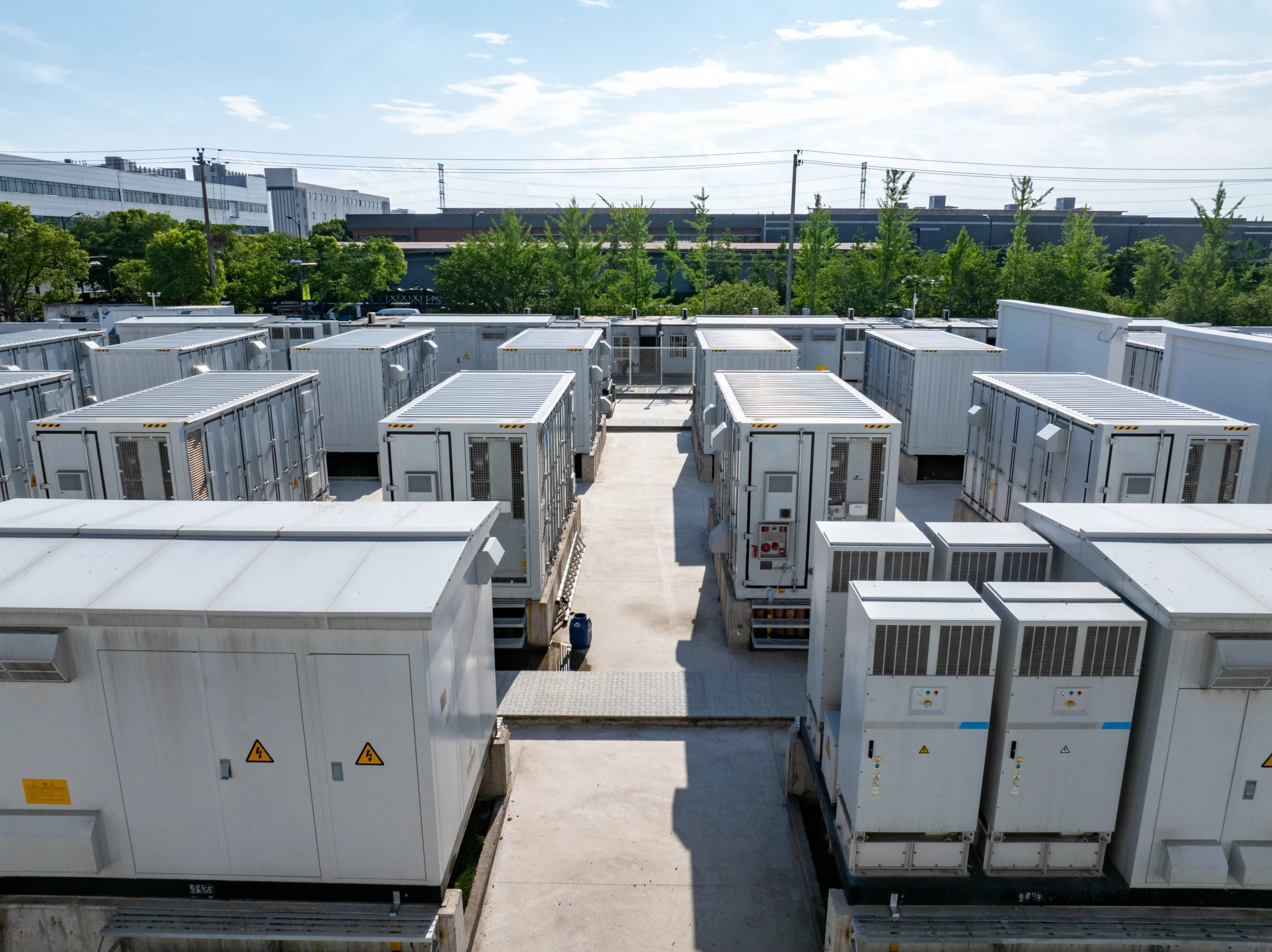
Insurers assess site separation, nearby property, chemistry, housing, ventilation, cooling, gas detection, fire suppression, certifications, OEM quality, monitoring and access for first responders.
HUB helps clients organize technical information and risk controls around how underwriters assess the system, while aligning property, equipment breakdown and liability coverages with the project’s design.
BESS underwriting is not one question about battery chemistry. It is an assessment of the entire system and the people operating it.
A clearer risk presentation built around the technical characteristics of the project.
A battery incident can involve emergency response, stranded energy, reignition risk, off-gassing, site control, de-hazarding, investigation and eventual equipment removal or decommissioning.
HUB considers emergency response and post-incident planning alongside insurance, claims and business continuity so the organization understands what may be required after the immediate event.
A BESS emergency plan should address what happens after stabilization, not only the first response.
A more coordinated approach to incident response, claims and recovery.
A system used for demand response, arbitrage or backup may operate differently and carry different business interruption implications. The operating profile also needs to align with OEM warranties, O&M responsibilities and project contracts.
HUB considers use case, warranty terms, business interruption values, deductibles, O&M agreements and contractual obligations together when evaluating the risk program.
The insurance strategy should reflect what the battery is being asked to do.
Coverage and revenue assumptions aligned with the project’s operating model.
Tailored Risk Solutions for Your Industry
Connect technical underwriting, operations and incident response
Following contractual implications and risk support, HUB dives into the system itself: where it is located, which technology is being deployed, who built and operates it, how it generates value and what happens if it fails.
Property and equipment breakdown considerations are evaluated against site conditions, equipment design, chemistry, cooling, monitoring, fire protection and other underwriting factors.
EPC experience, insurance, warranties, O&M responsibilities, monitoring and OEM support can be considered together to understand where operational and contractual responsibility sits.
HUB helps clients connect emergency planning and claims preparation with realistic downtime, business interruption values and the practical steps required to make a damaged site safe and restore operation.
Industry Insights
Insights for managing battery energy storage risk